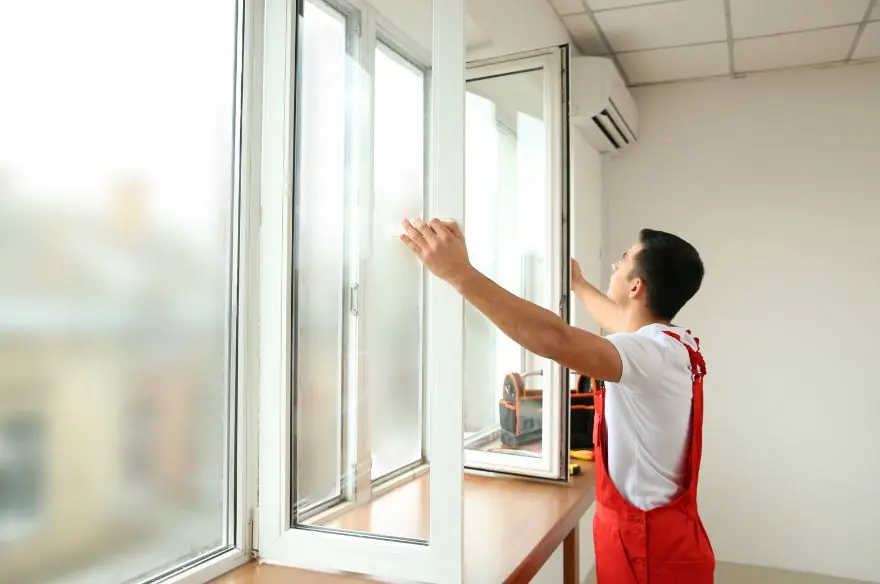


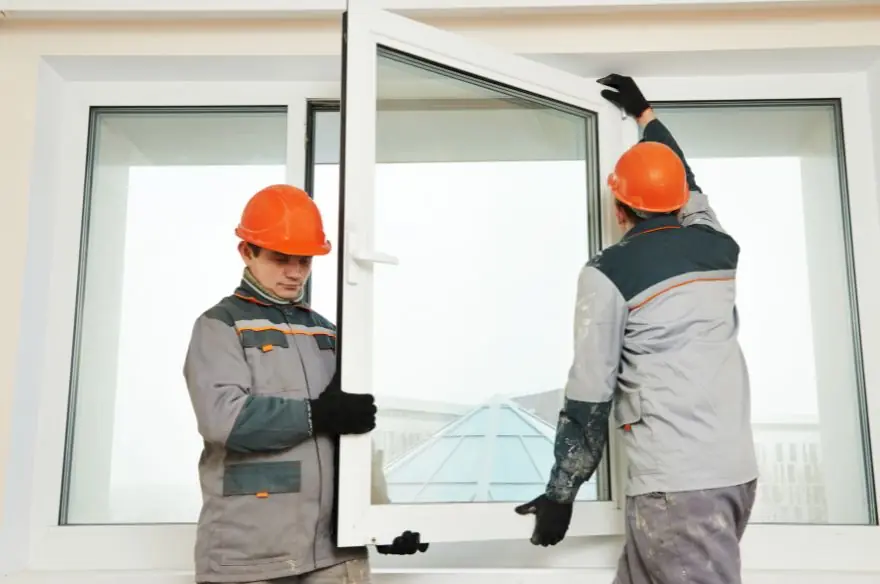
When investing in new PVC or aluminum windows, the focus is often on choosing the right profile, glass, and color. However, the installation method is equally important for the durability and functionality of your windows. A common question is: which is better — basic installation or RAL installation?
This guide explains the differences, advantages, and disadvantages of both systems to help you decide which method is right for your property.
What Is Basic Installation?
Basic installation is the traditional and most commonly used method for fitting windows and doors. In this approach, the window frame is mechanically fixed to the wall using anchor screws or mounting plates, and the space between the frame and the wall is filled with polyurethane (PU) foam. Finally, the joint is sealed with plaster, gypsum, or silicone.
The main advantages of basic installation are lower cost and faster execution. Because of its simplicity, most installers have extensive experience with this method. However, its drawbacks include weaker sealing — while PU foam provides good thermal and sound insulation, it is not resistant to UV rays and moisture, so it can degrade over time. If the joints are not properly protected, moisture and cold air can penetrate, creating thermal bridges and reducing energy efficiency. Therefore, in modern, energy-efficient buildings, the lifespan of the joint is shorter.
What Is RAL Installation?
RAL installation is a modern, standardized method developed in Germany and widely used across Europe today.
The key difference is that the window does not rely solely on foam for sealing; the wall-to-window connection is treated as a three-layer system:
- Inner tape (vapor-tight): prevents indoor moisture from entering the PU foam layer.
- Middle layer (PU foam): provides thermal and sound insulation.
- Outer tape (vapor-permeable): protects against rain and UV rays while allowing any trapped moisture to escape.
The benefits of RAL installation are significant. It offers the highest level of energy efficiency by almost completely eliminating heat loss. It protects against moisture and mold and provides excellent sound insulation, which is particularly important in urban areas. Although more expensive than basic installation, RAL installation is a long-term investment, reducing heating and cooling costs and ensuring lasting protection.
The main drawbacks are higher cost and longer installation time, as the process requires specialized materials and a skilled installation team.
Conclusion
In short, basic installation is faster and cheaper but less durable and more prone to deterioration. RAL installation is more expensive and complex but provides superior insulation, long-term protection from moisture and noise, and maximum energy efficiency. The right choice depends on your needs, plans, and budget. If you want your new windows to last for decades and deliver all the benefits of modern construction, RAL installation is the way to go.